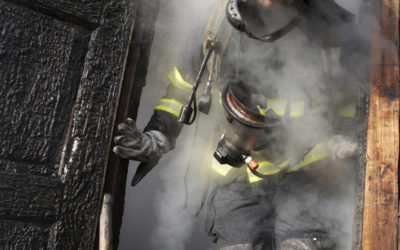
Across many regions, fire and rescue services are facing increased wildfire risk and more frequent incidents that place very different demands on resources than everyday structural firefighting.
Difficult access, limited water supplies, large areas and changing conditions can all influence which resources can be deployed – and how effectively they can be used.
For services looking to strengthen their wildfire capability, this creates another consideration. Equipment needs to be suited to these demanding conditions, but ideally it should also provide operational value beyond a specific type of incident or season.

When water and access are limited
Getting sufficient water to the fireground can be a challenge in remote areas. Making effective use of the water that is available therefore becomes particularly important.
Cobra’s low water use can provide an additional tactical option in these conditions.
Cobra can also be used for targeted intervention against deep-seated hotspots, where fire can remain below the surface and lead to reignition. Combined with thermal imaging, crews can locate hotspots and apply water directly where it is needed.
Access presents another challenge. Smaller and more agile vehicles can reach areas that conventional fire appliances may struggle to access. The self-contained Cobra Skid Unit can be mounted on a pickup or similar vehicle, combining this mobility with both a Cobra hand lance and a multi-purpose nozzle.

A resource for more than one risk
Investing in additional wildfire capability does not necessarily have to mean investing in equipment with a single purpose.
A vehicle equipped with a Cobra system can provide additional options during wildfire operations, while remaining useful for other incidents throughout the year. The same resource can support structural firefighting, incidents involving EV lithium-ion traction batteries, and other situations where mobility, efficient water use and targeted intervention are important.
As fire and rescue services review their preparedness for changing risks, the question is therefore not just how to be ready for the next wildfire. It is also how each investment can contribute to a broader and more flexible operational capability.